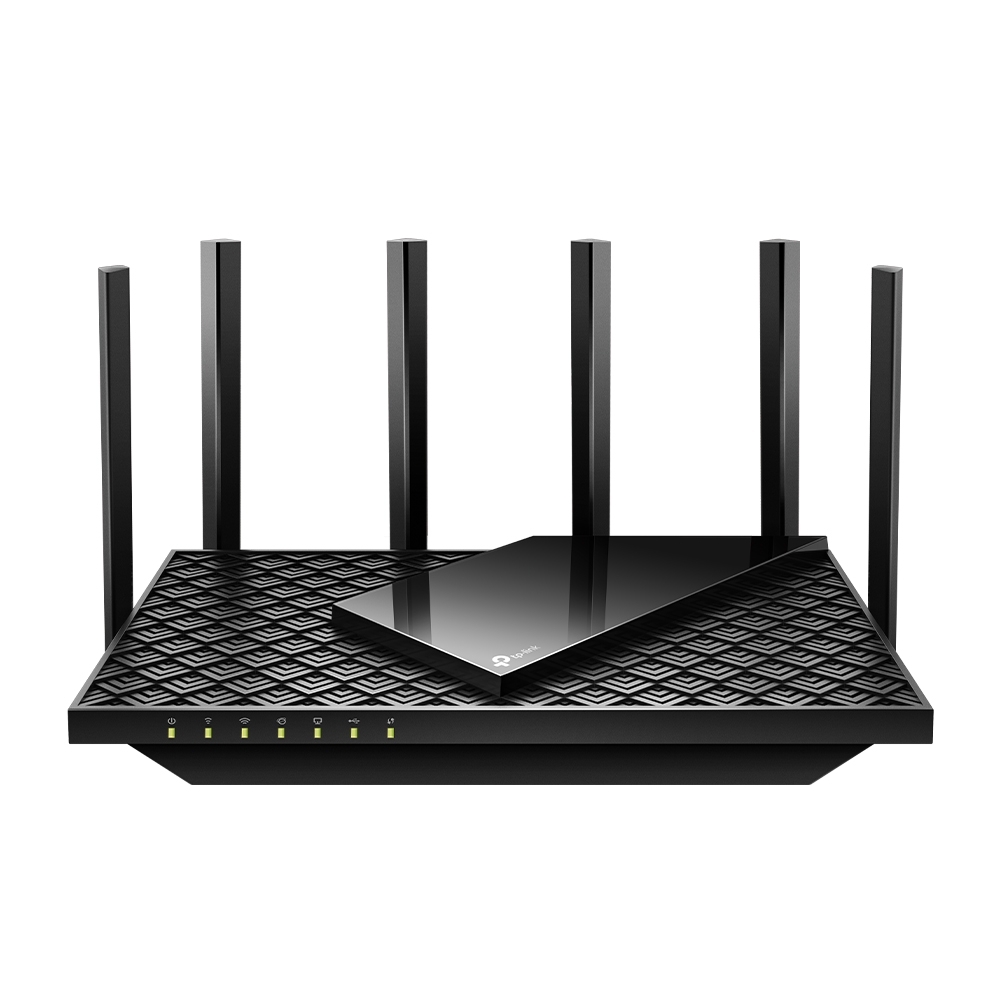
TP-Link is attempting to secure an exemption from a federal ban on foreign-made networking hardware by committing hundreds of millions of dollars to establish manufacturing and research facilities in the United States. In a regulatory filing disclosed on April 22, 2026, the company detailed a meeting with the Federal Communications Commission (FCC) to preview its application for conditional approval to continue selling consumer-grade routers.
The networking giant met with Adam Chan, National Security Counsel for FCC Chairman Brendan Carr, to discuss relocating its supply chain. TP-Link stated that its planned investment into domestic manufacturing and R&D aligns with federal policy goals, but noted that this financial commitment hinges on receiving a temporary reprieve from the ban. Under current FCC orders, TP-Link is prohibited from selling new routers manufactured in foreign markets such as China or Vietnam, and the restrictions could theoretically block firmware updates for existing hardware in the US starting in March 2027.
To address national security concerns, TP-Link has undergone a corporate restructuring, completing a formal separation from its Chinese counterpart in 2024. The company now operates as a US-based entity with its headquarters in Irvine, California, where it employs more than 550 people. In its filing, the company emphasized that its products are safe and that its security record is on par with other major industry players. PCMag reported that TP-Link has utilized a factory in Vietnam for US-bound hardware since 2018 but now seeks to move more production to American soil.
The regulatory pressure follows a 2024 push by Representative Raja Krishnamoorthi and former Representative Mike Gallagher for the Commerce Department to investigate the company. While the Trump administration enacted the current ban to mitigate supply chain vulnerabilities, the FCC has provided a path for 18-month exemptions for vendors that submit detailed relocation plans. Netgear, Adtran, and Amazon’s eero brand have already received these reprieves, leaving TP-Link to justify its own status as a domestic provider.
TP-Link remains a dominant force in the retail market for Wi-Fi 6 and Wi-Fi 7 hardware. A failure to secure conditional approval could significantly impact the availability of its Archer and Deco product lines in the United States as the 2027 deadline for software maintenance approaches.