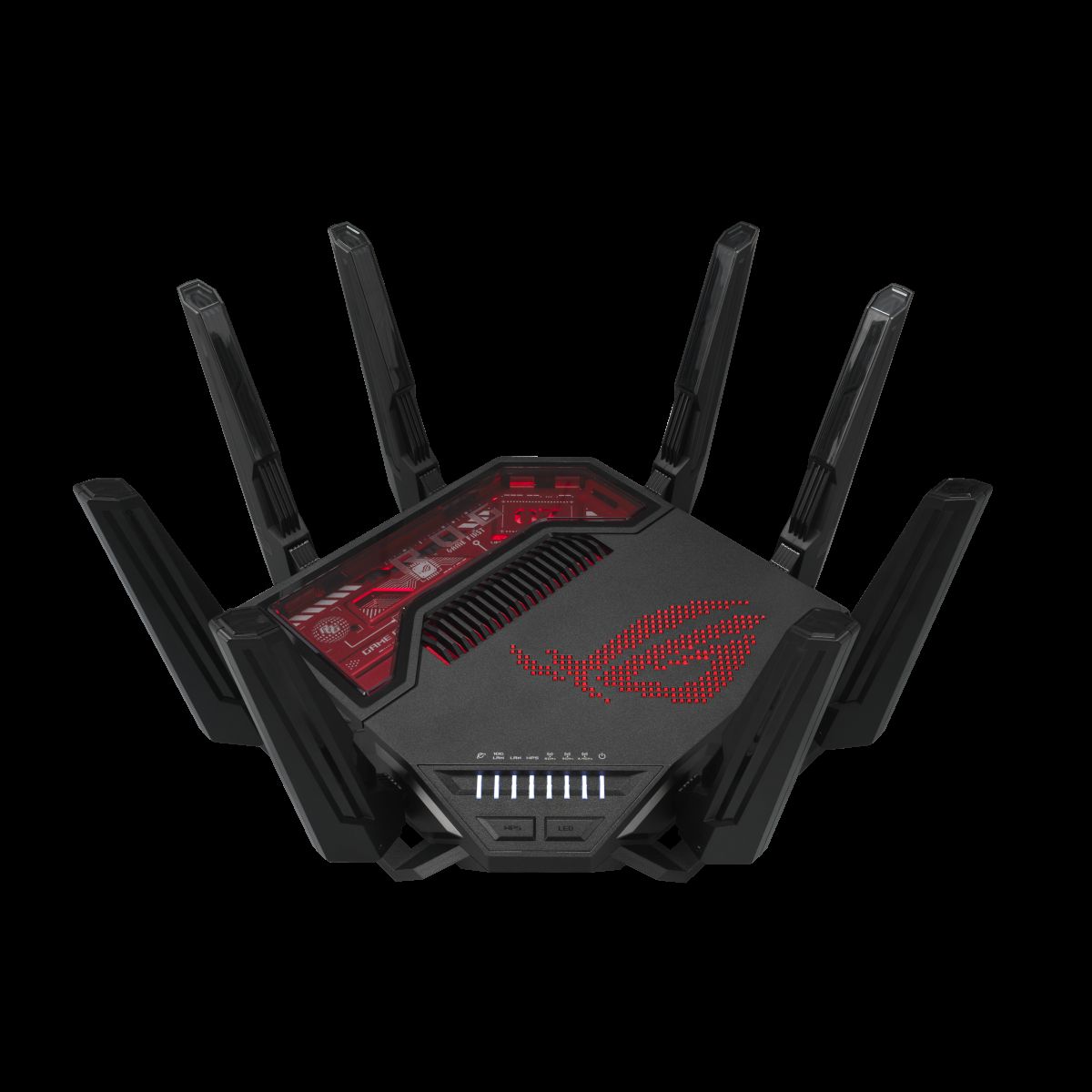
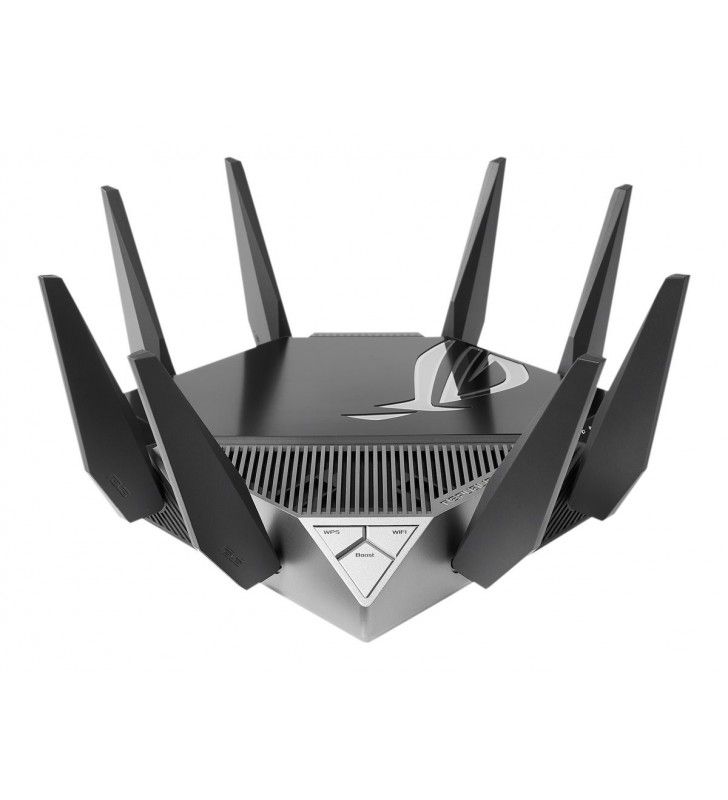
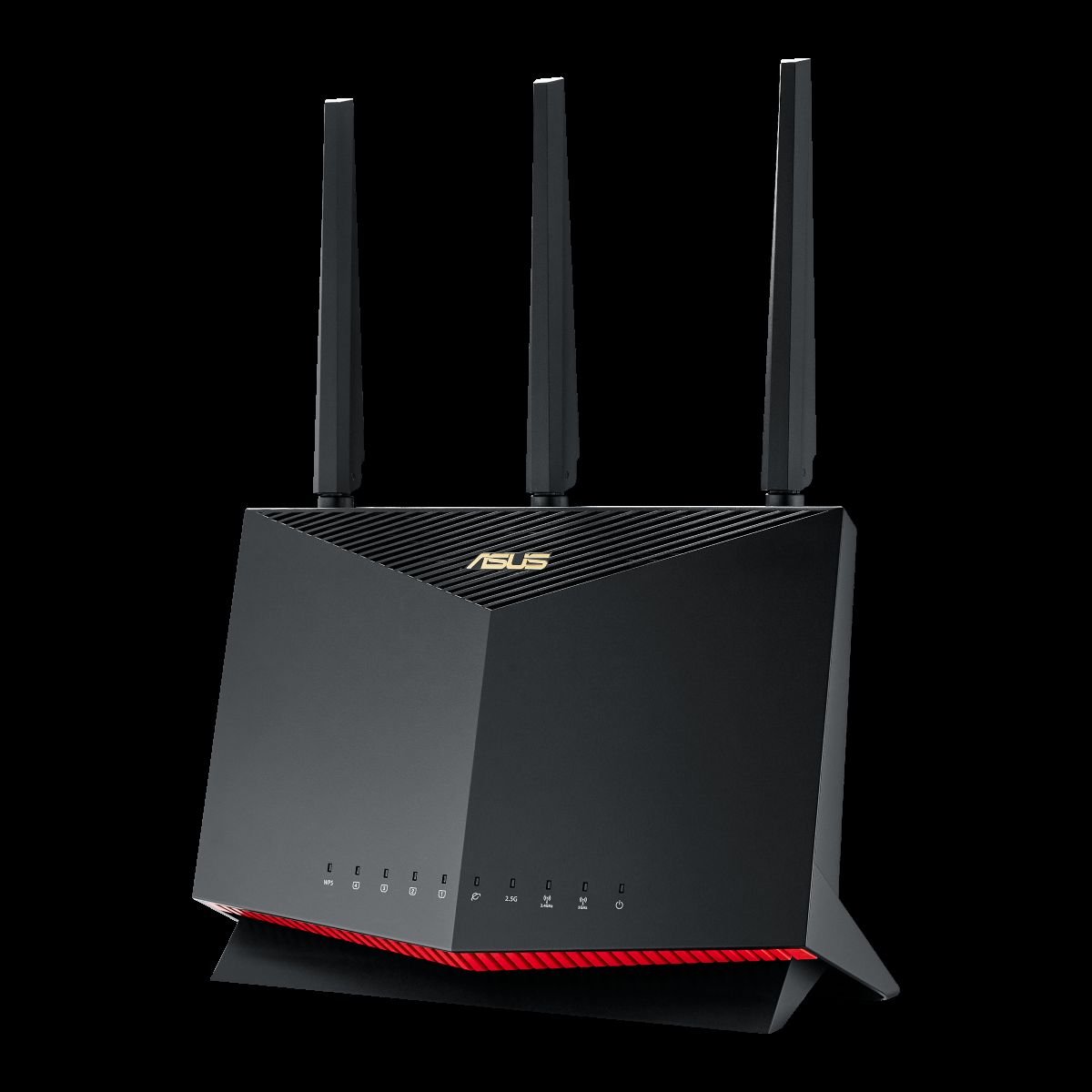
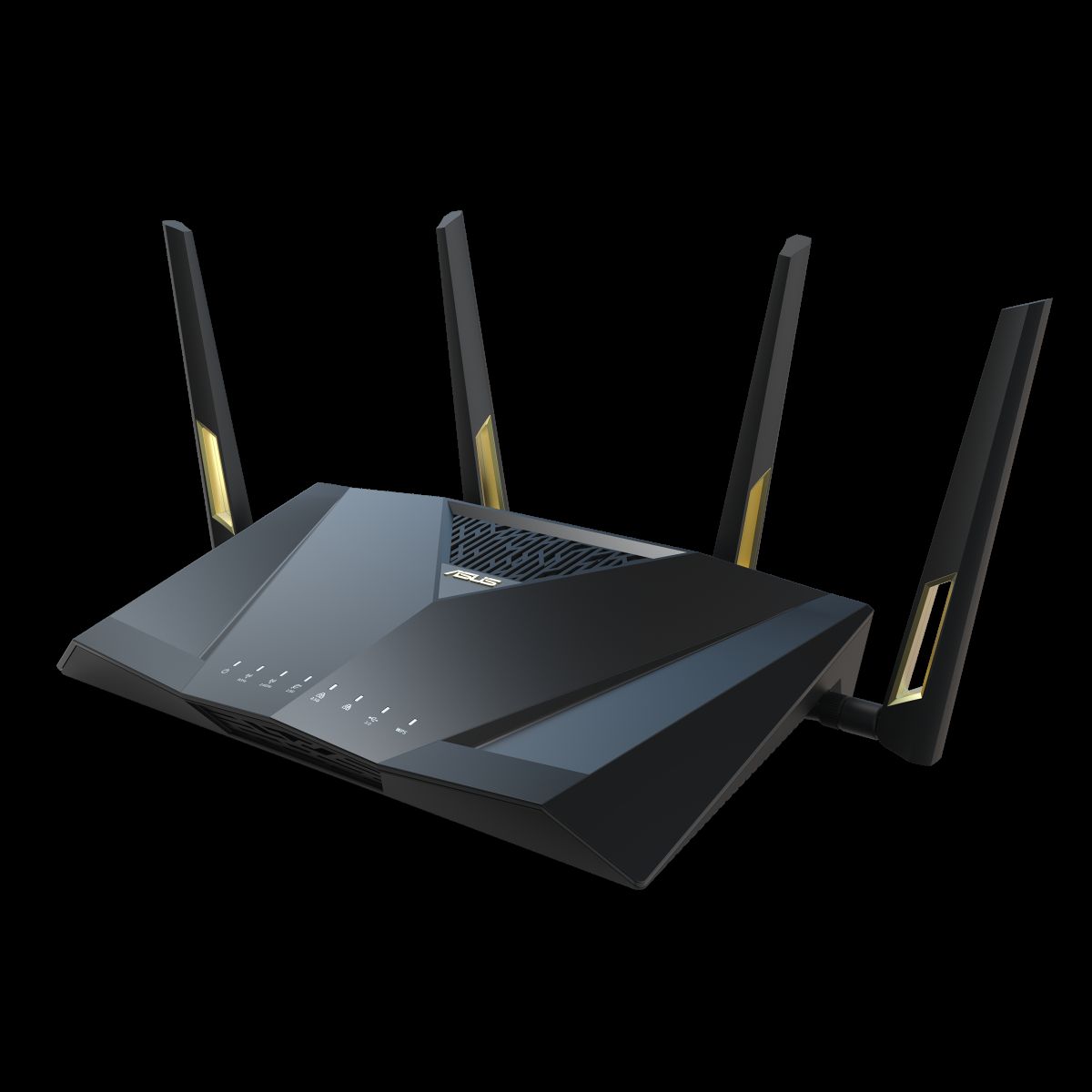
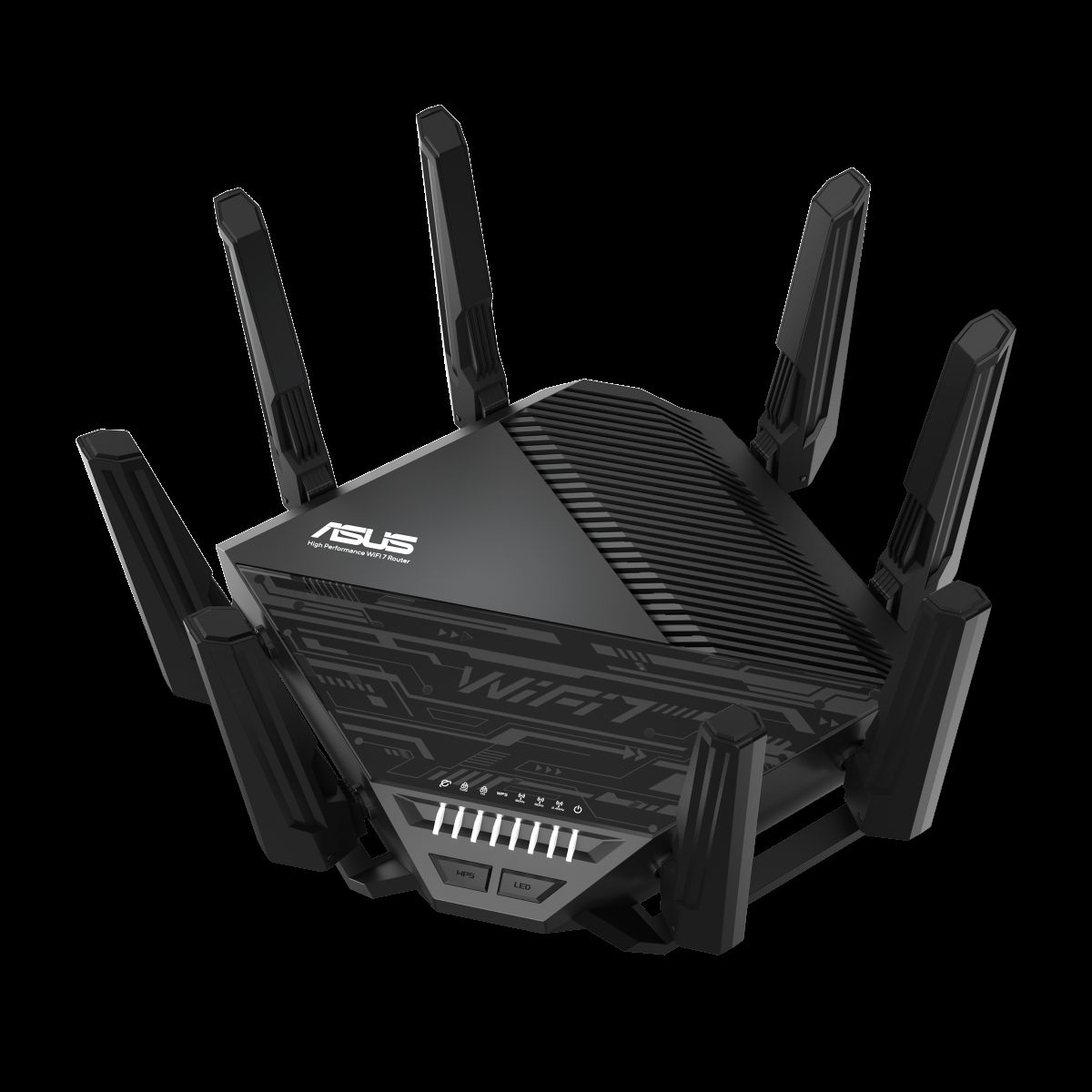
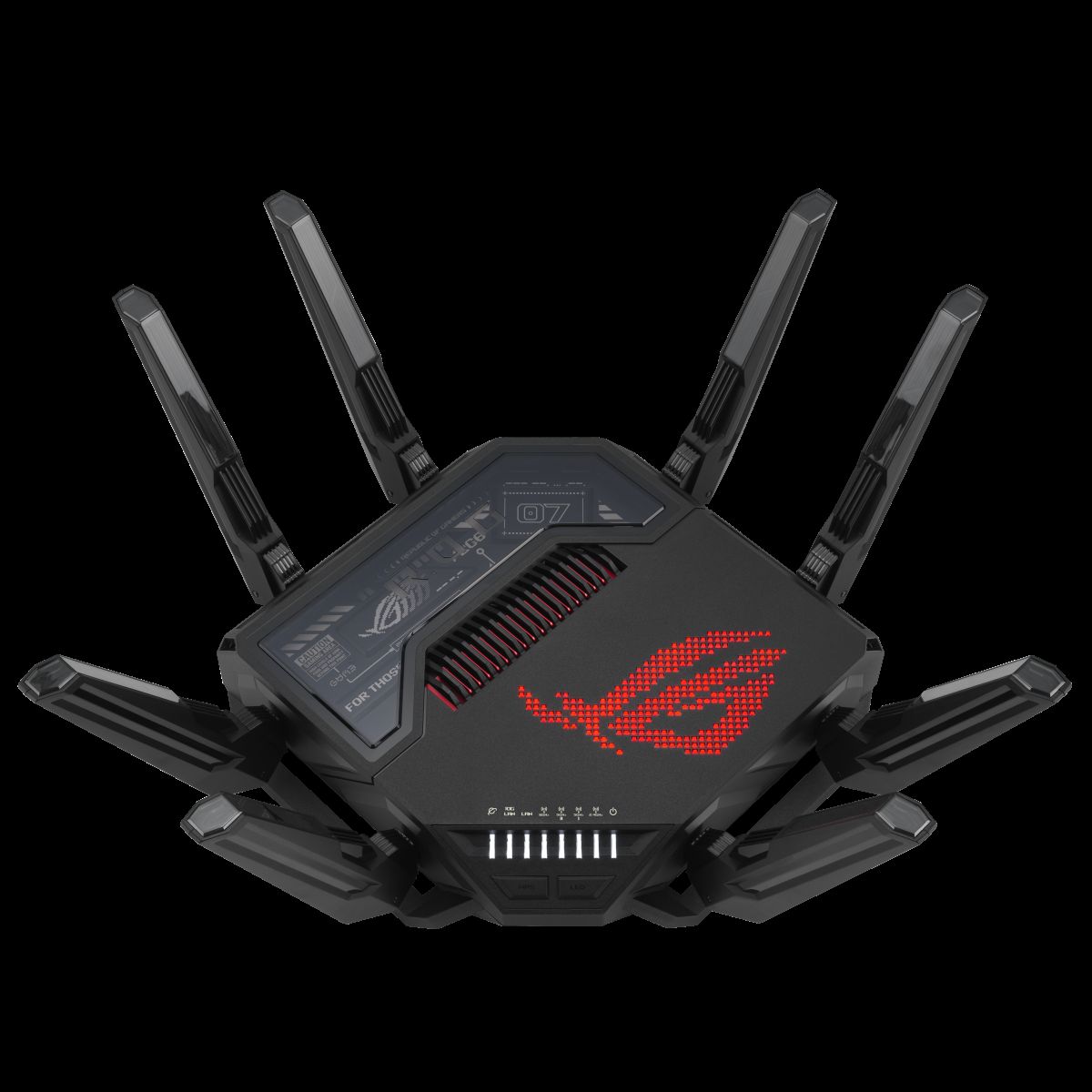
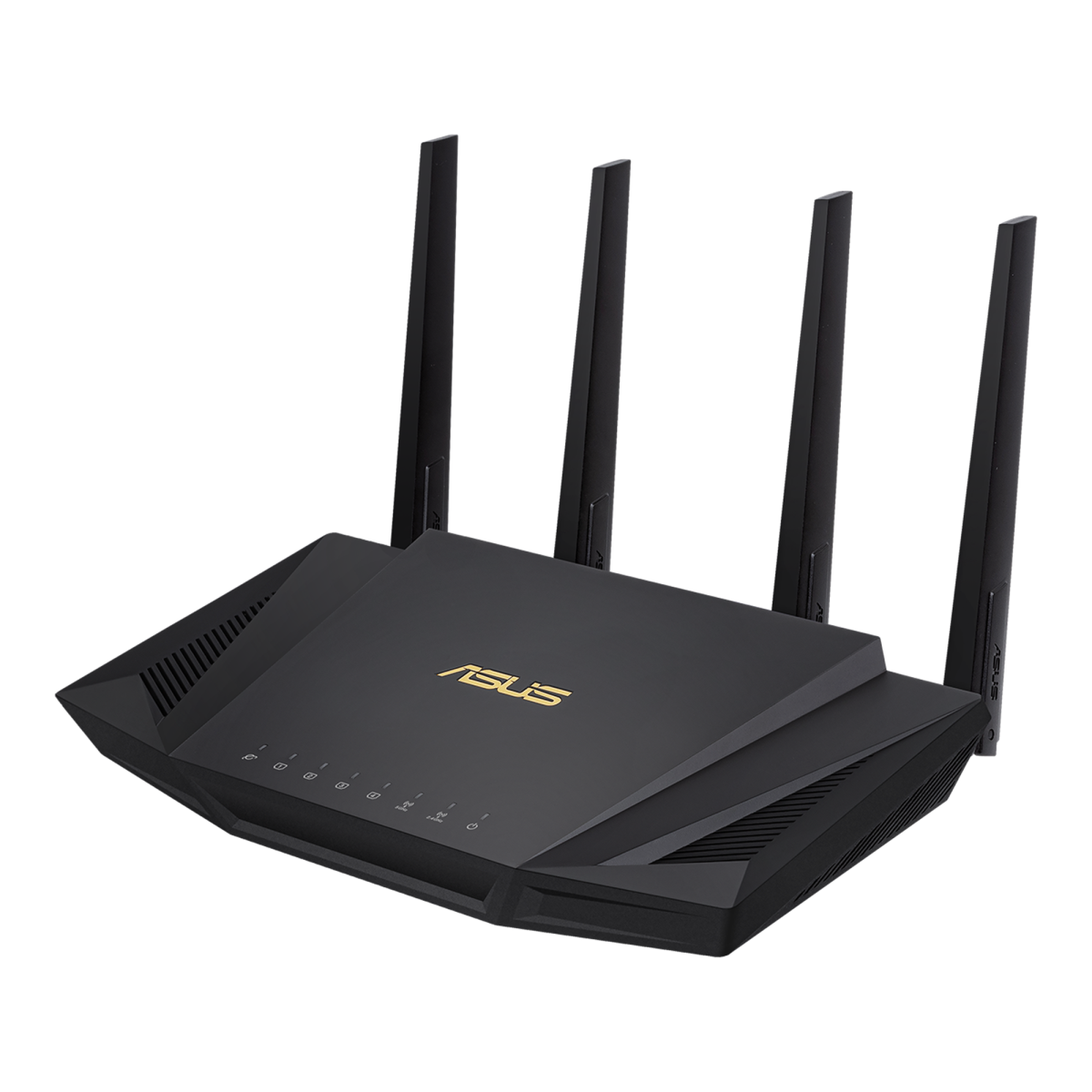
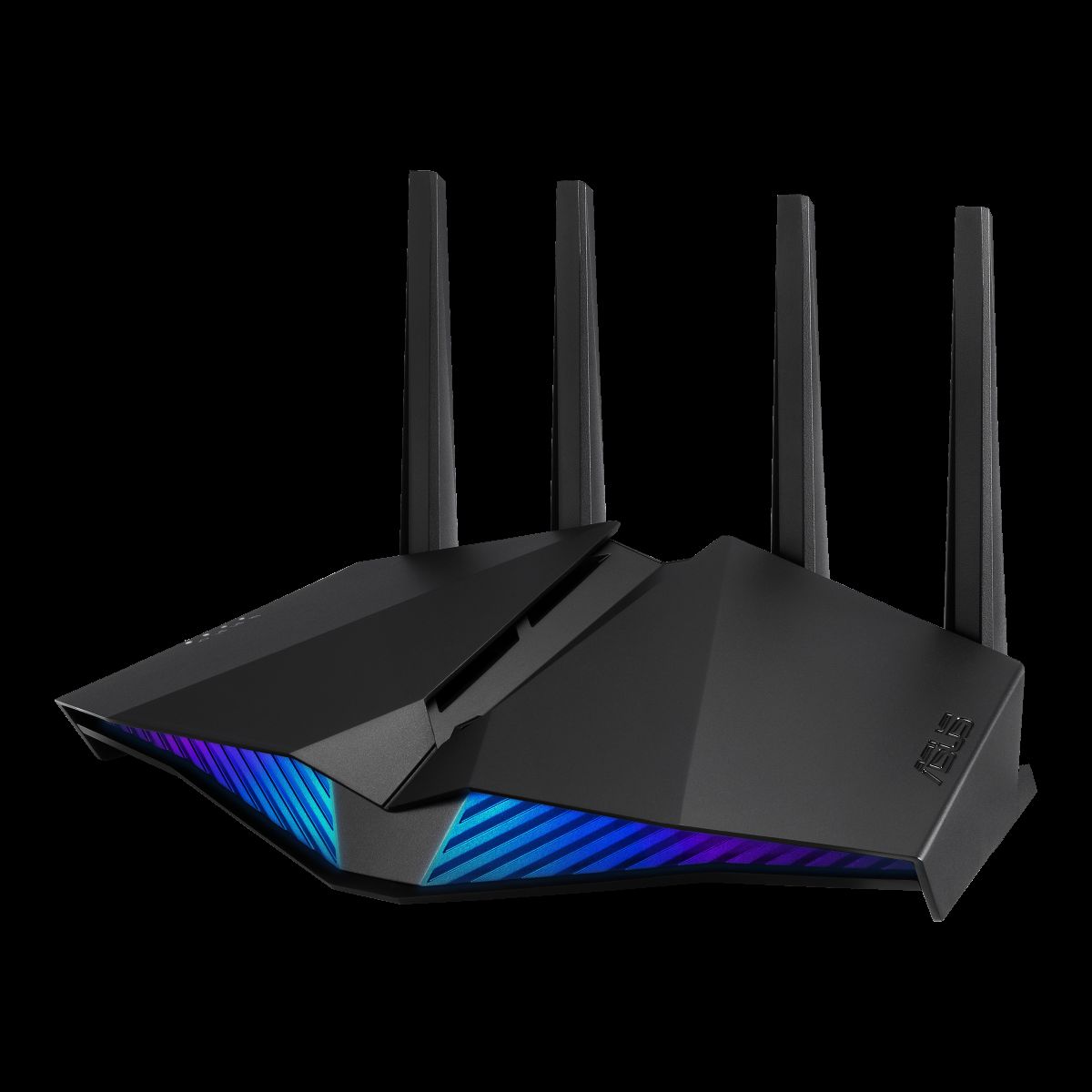
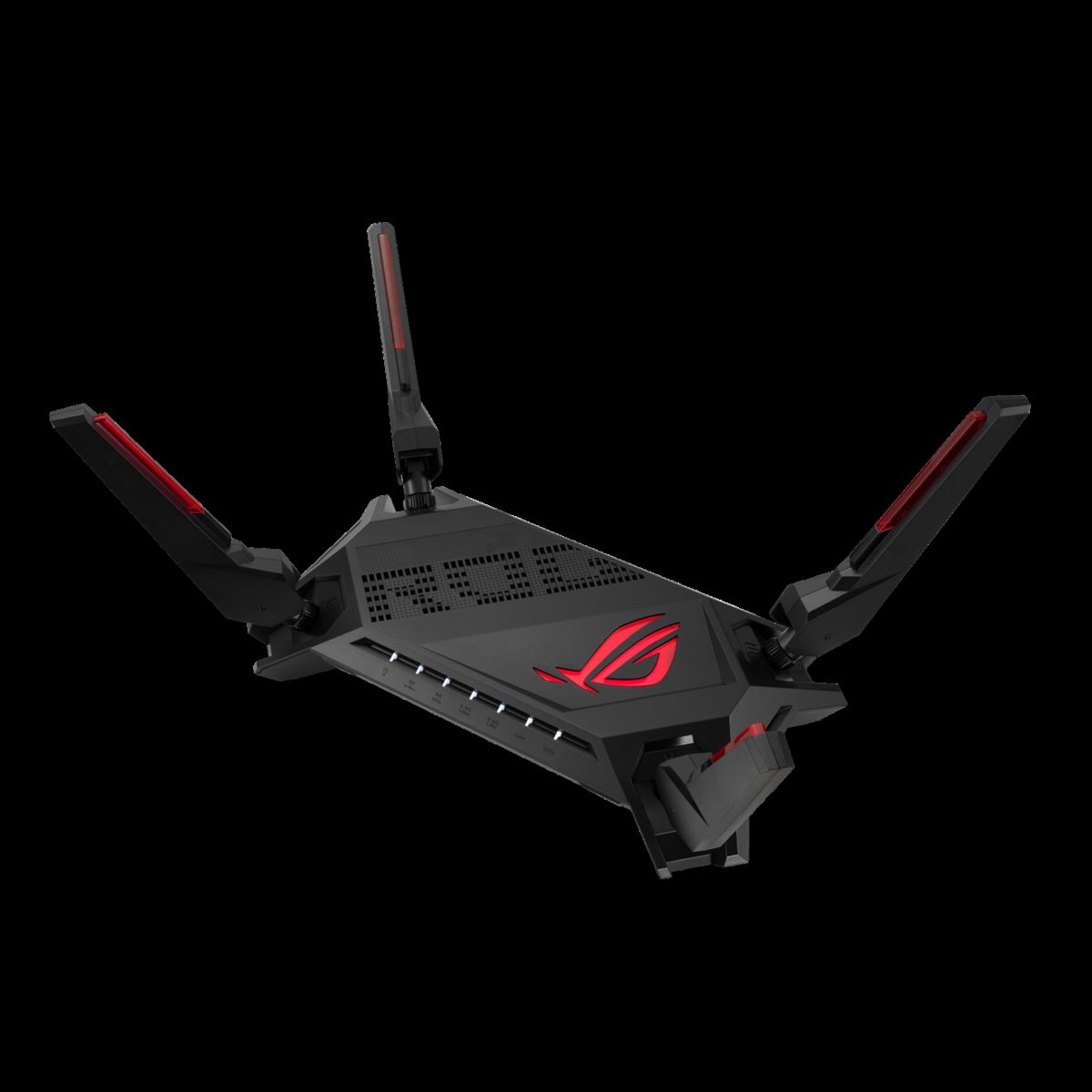
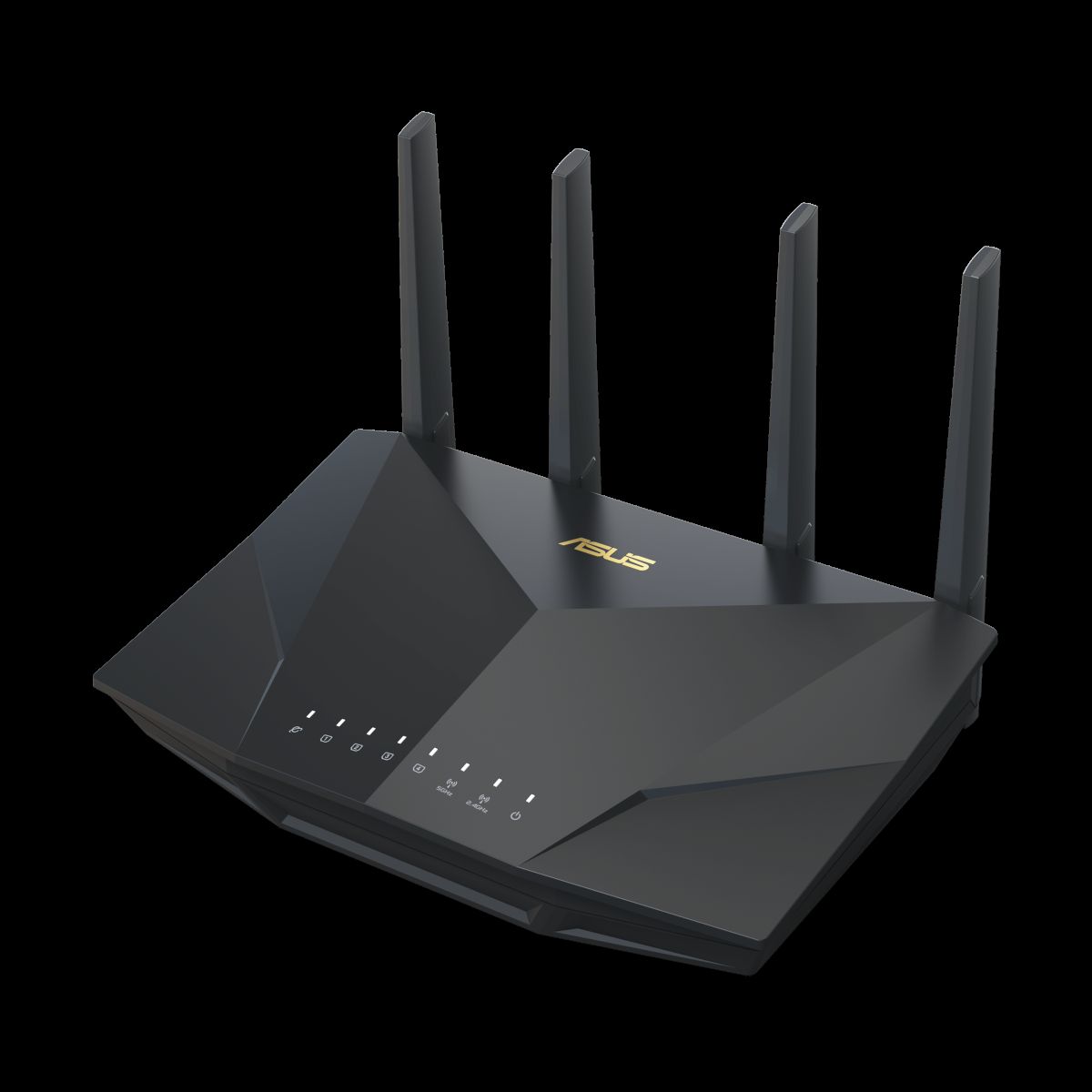
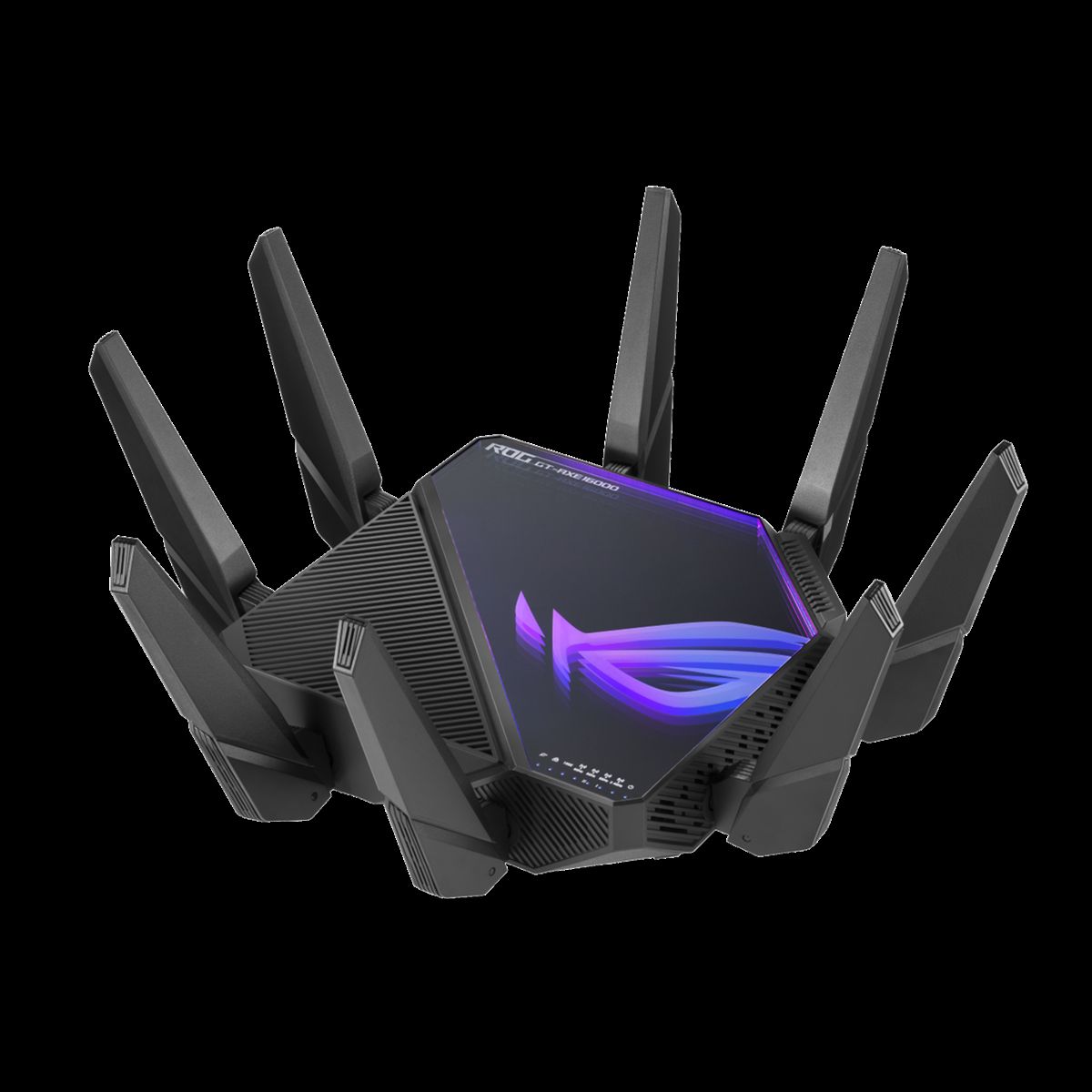
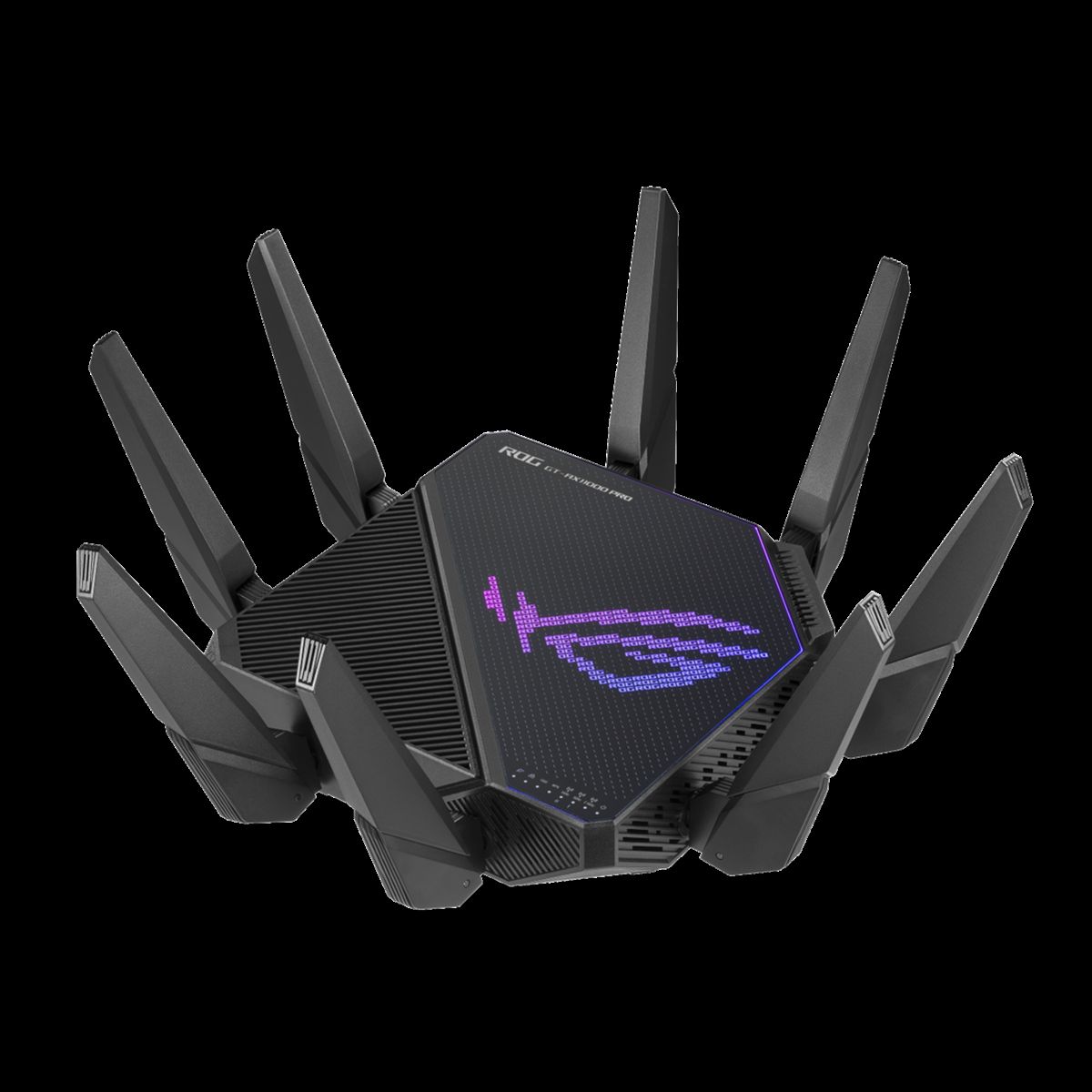
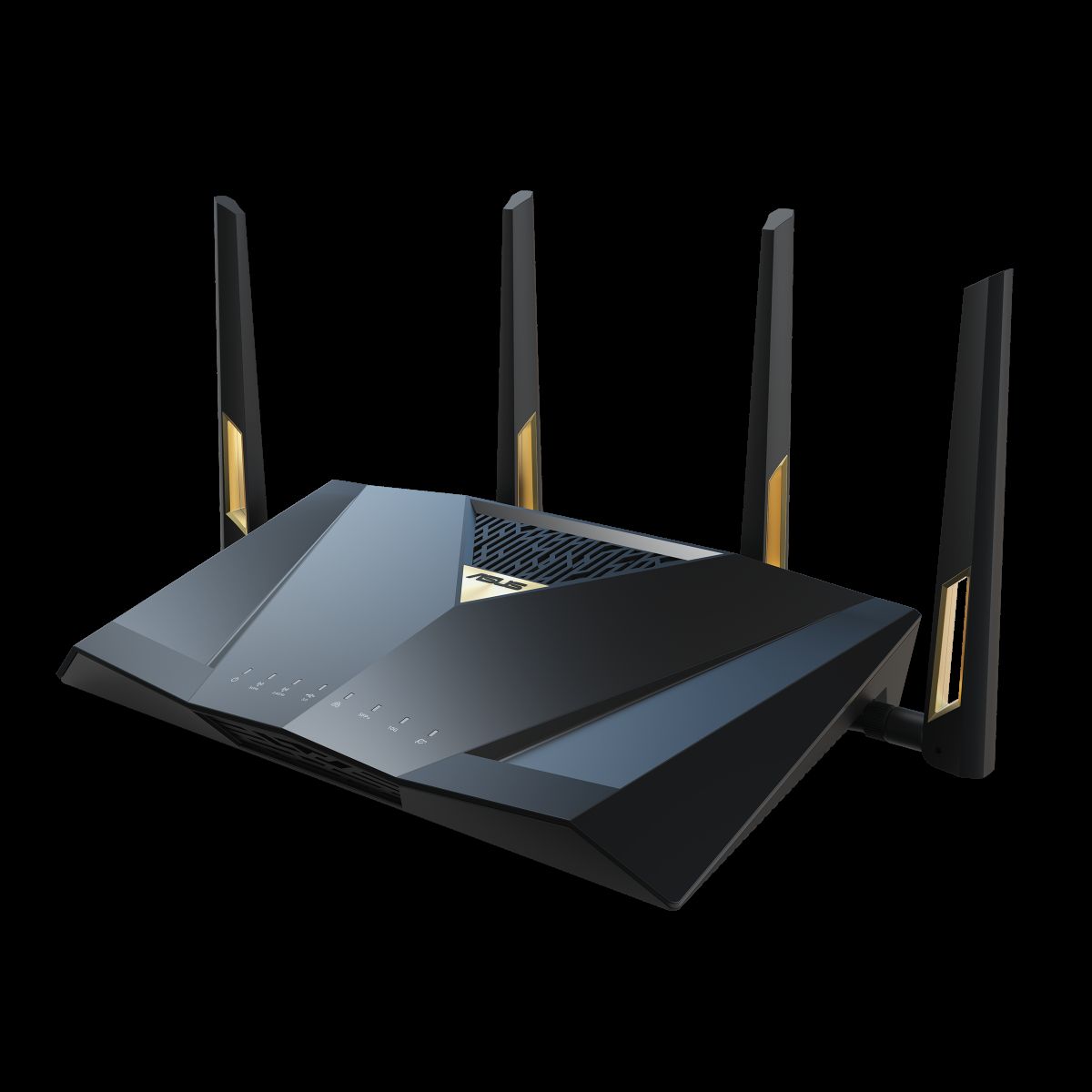
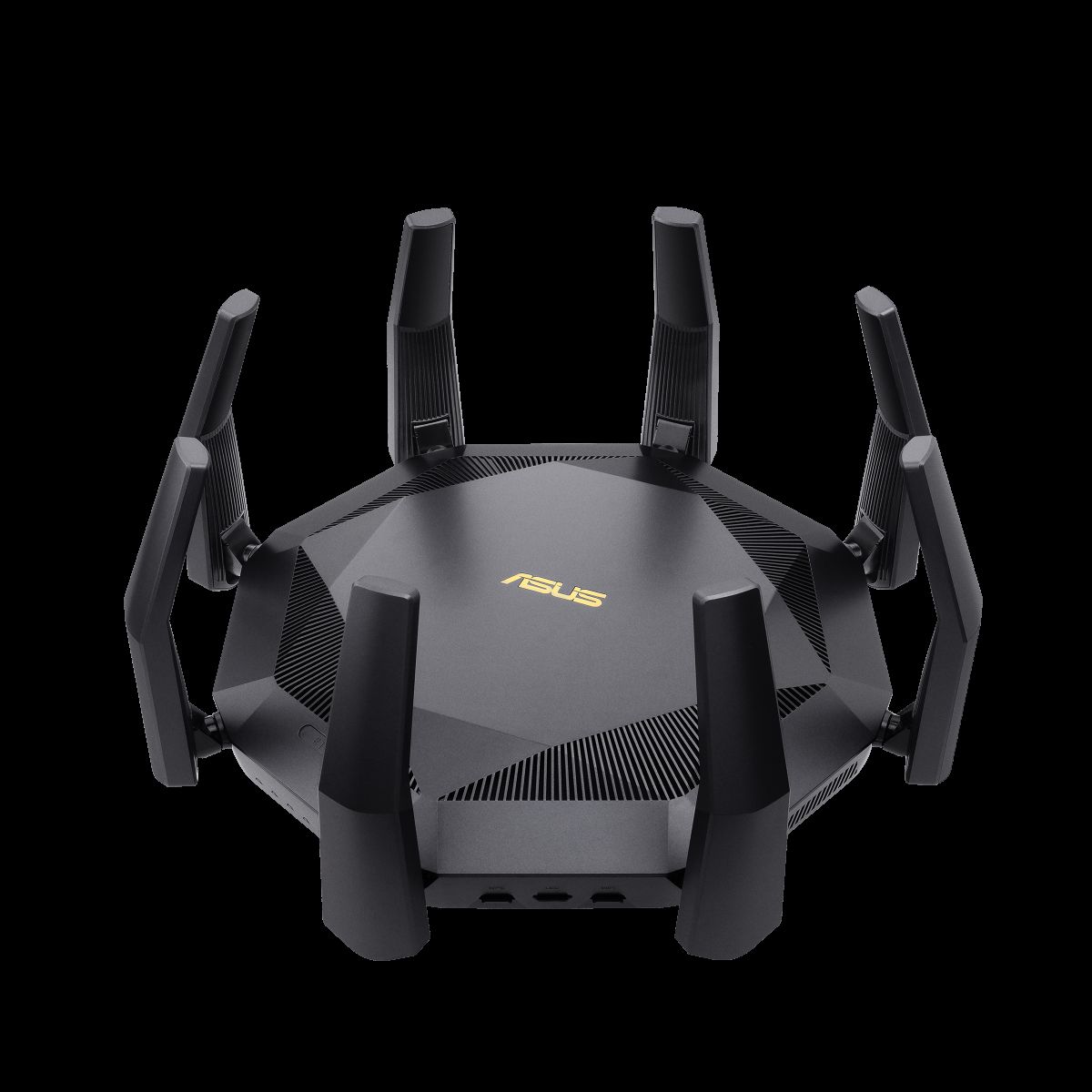
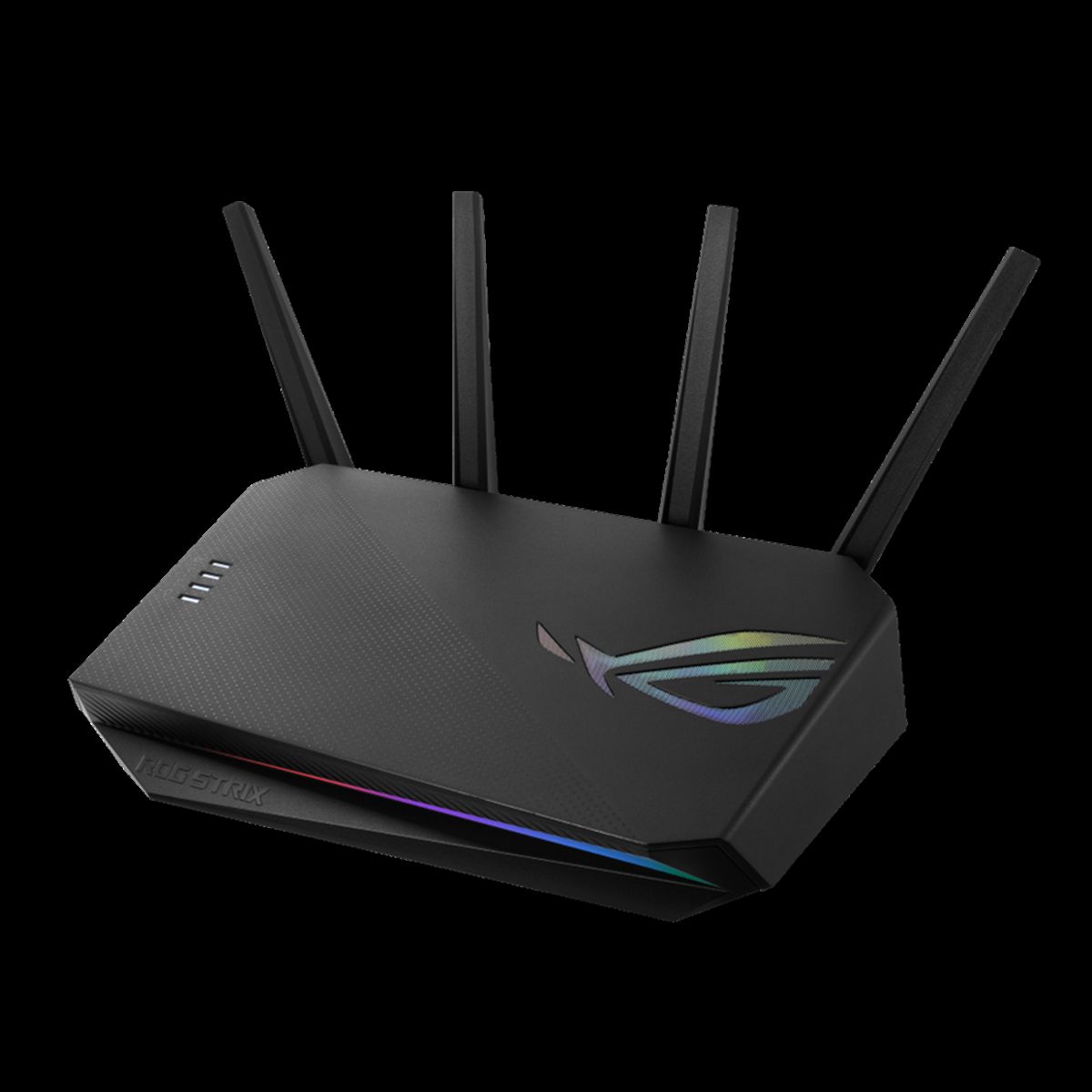
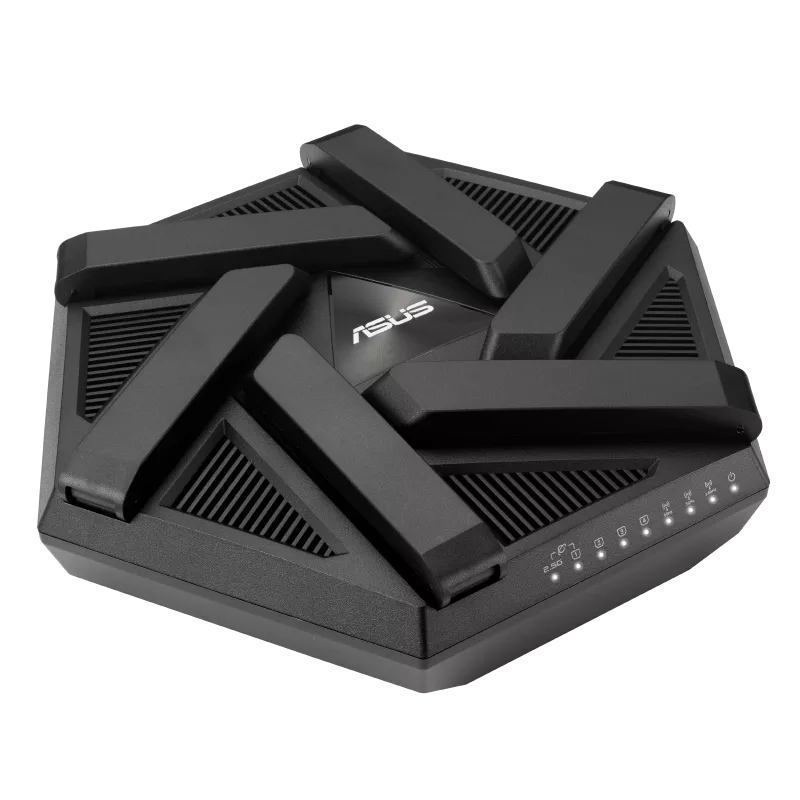
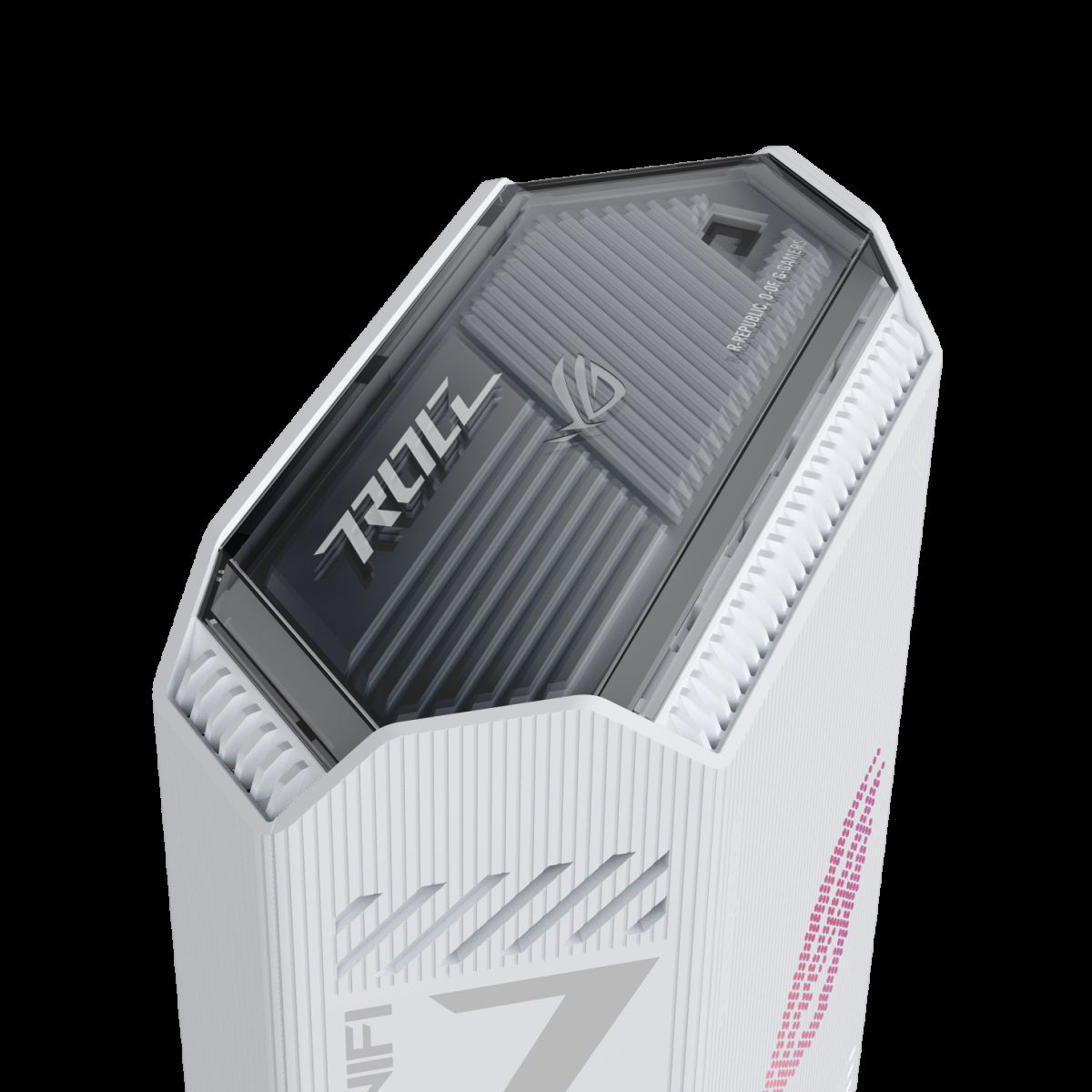
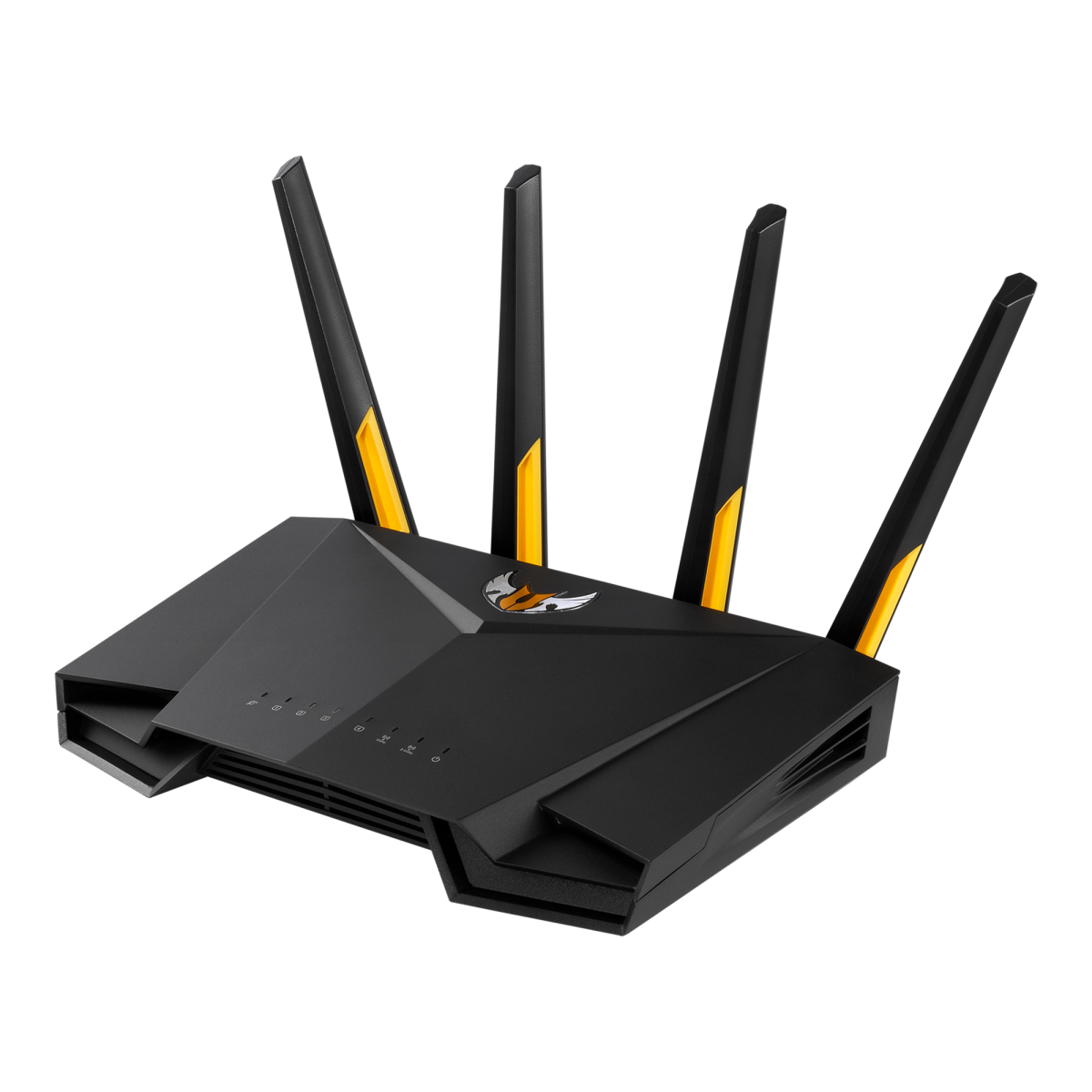
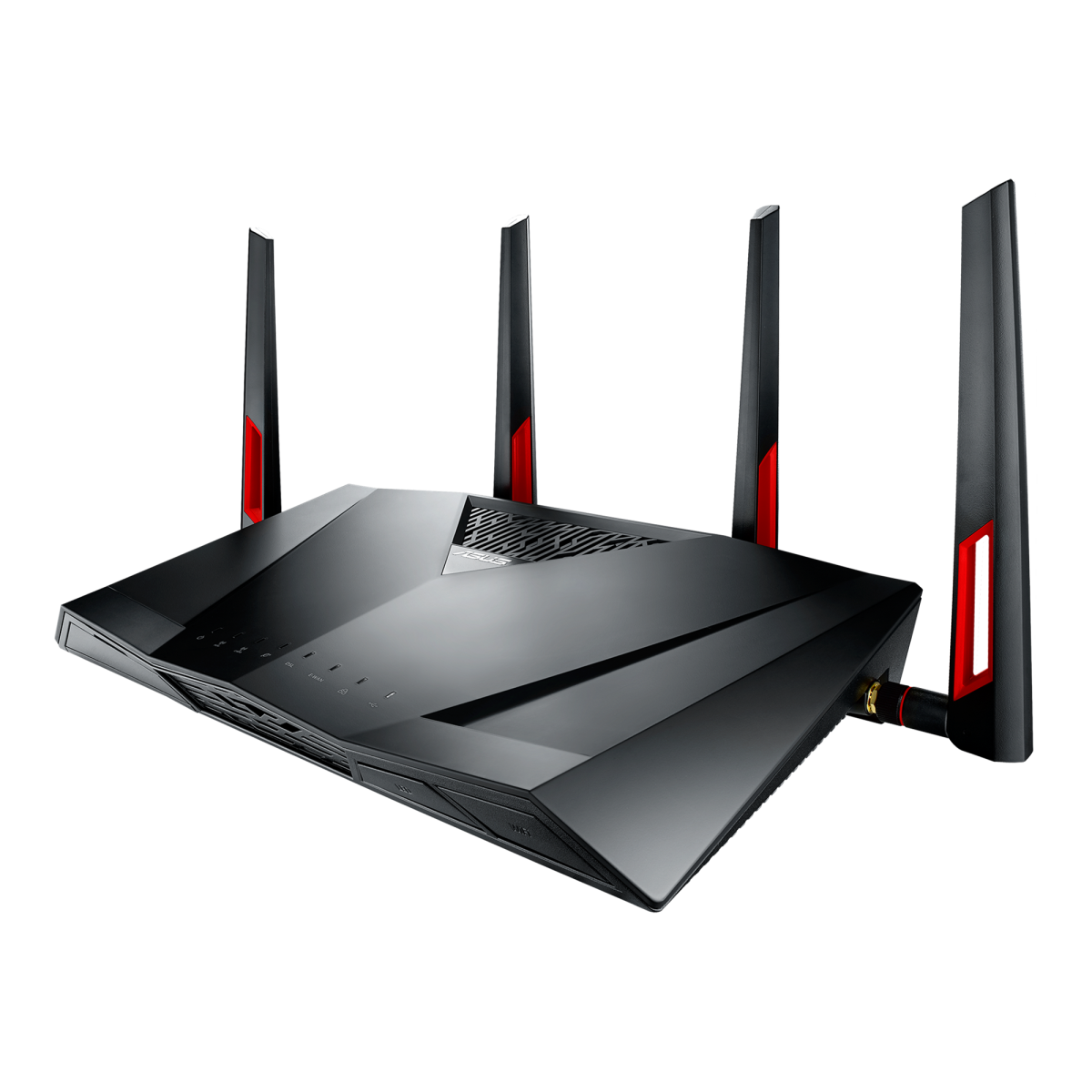
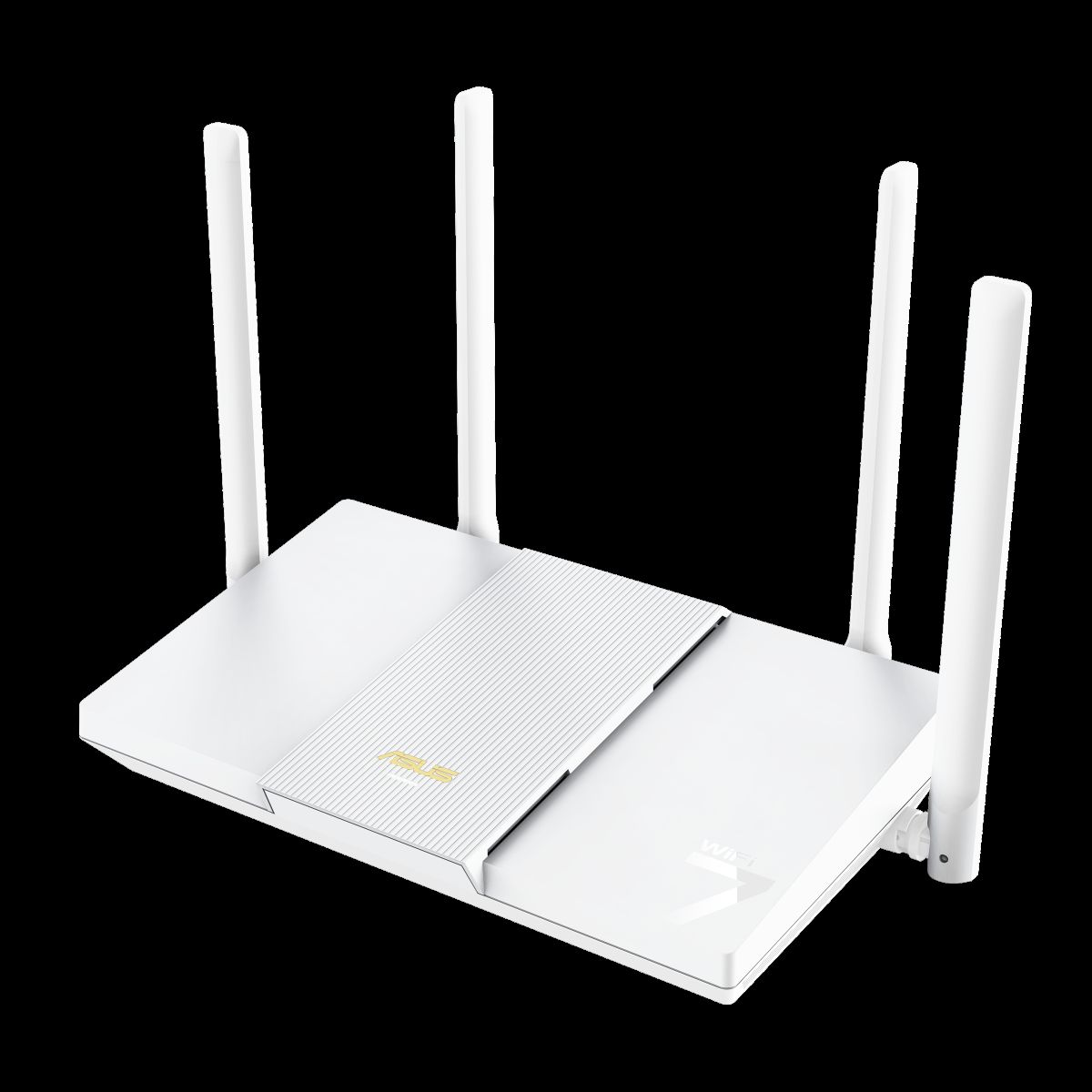
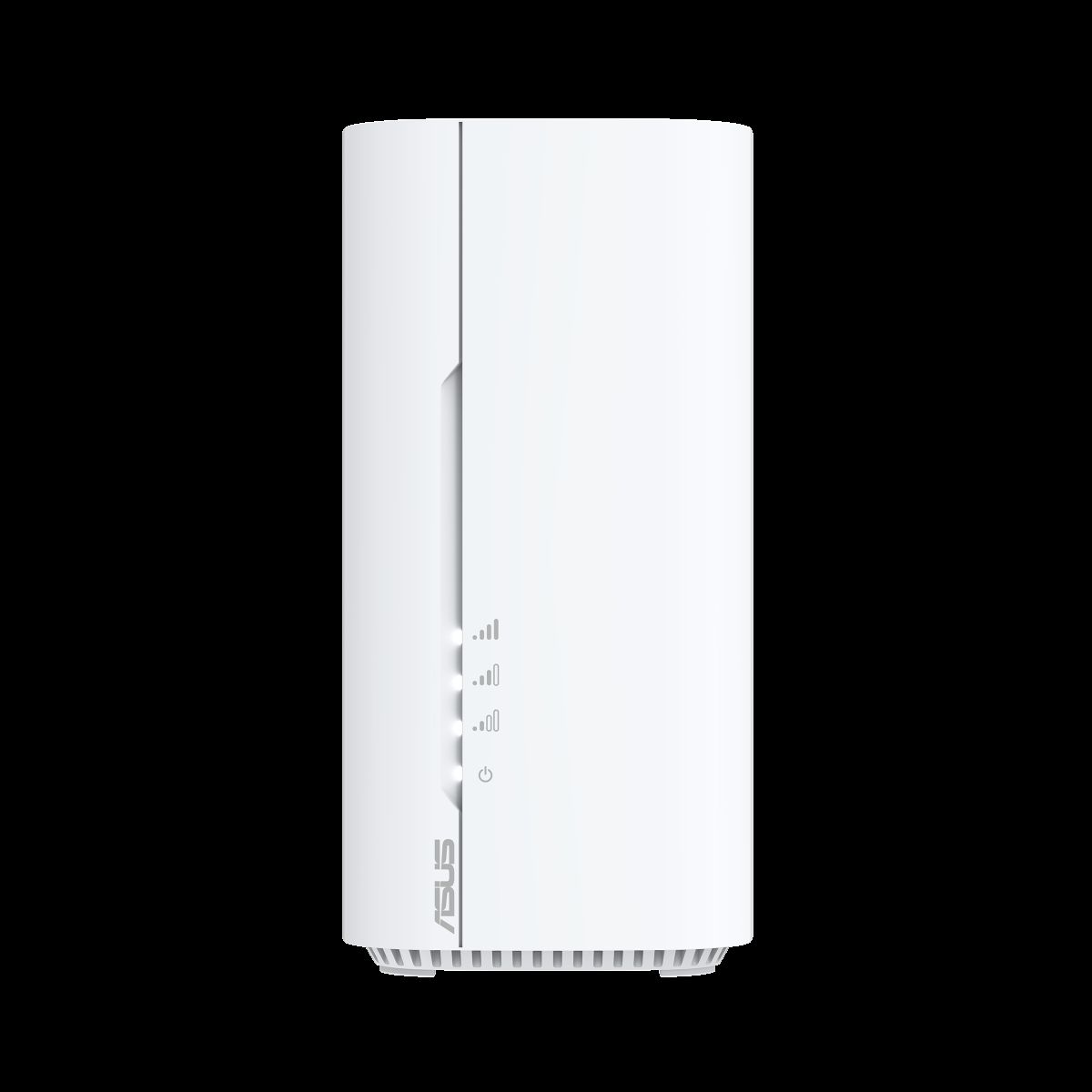
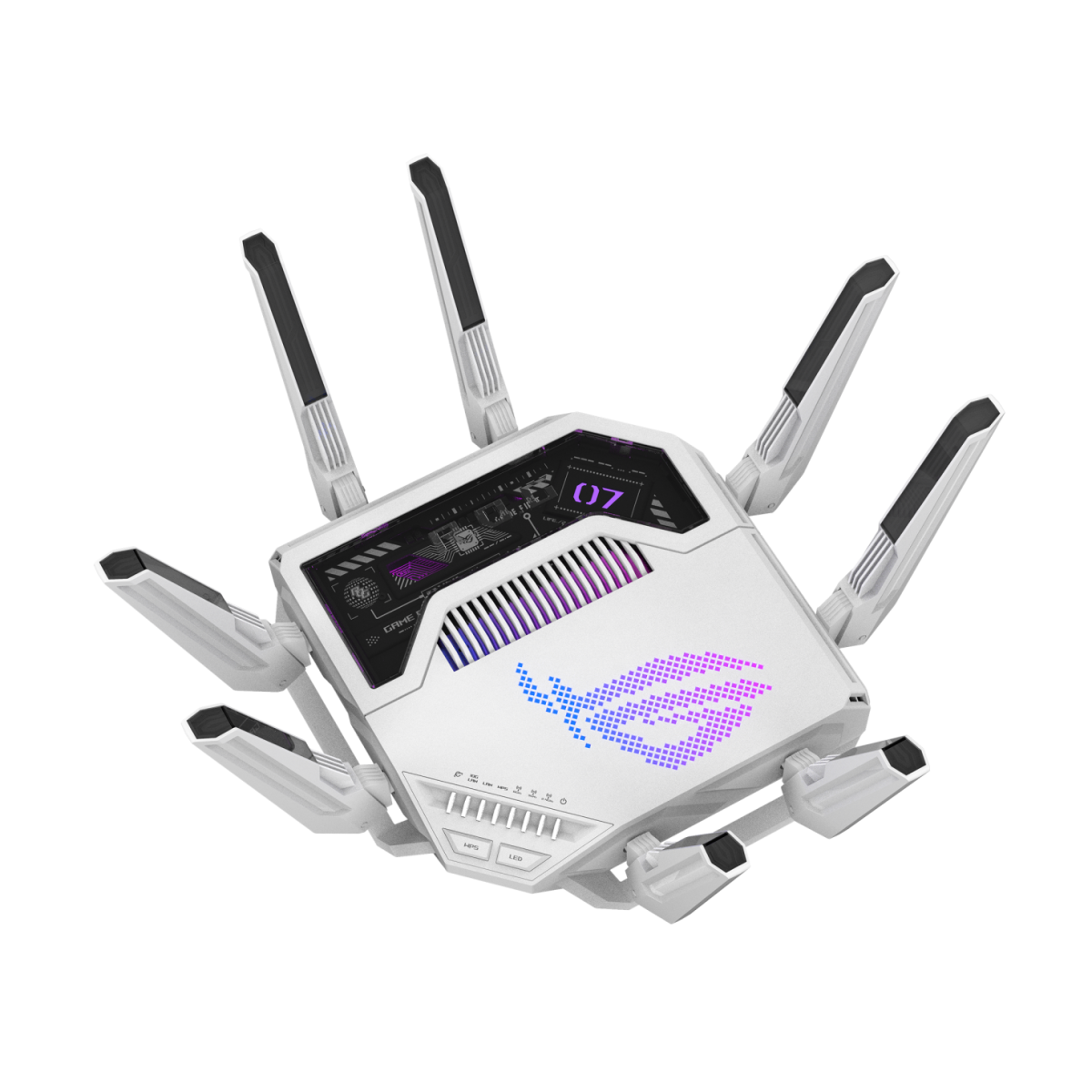
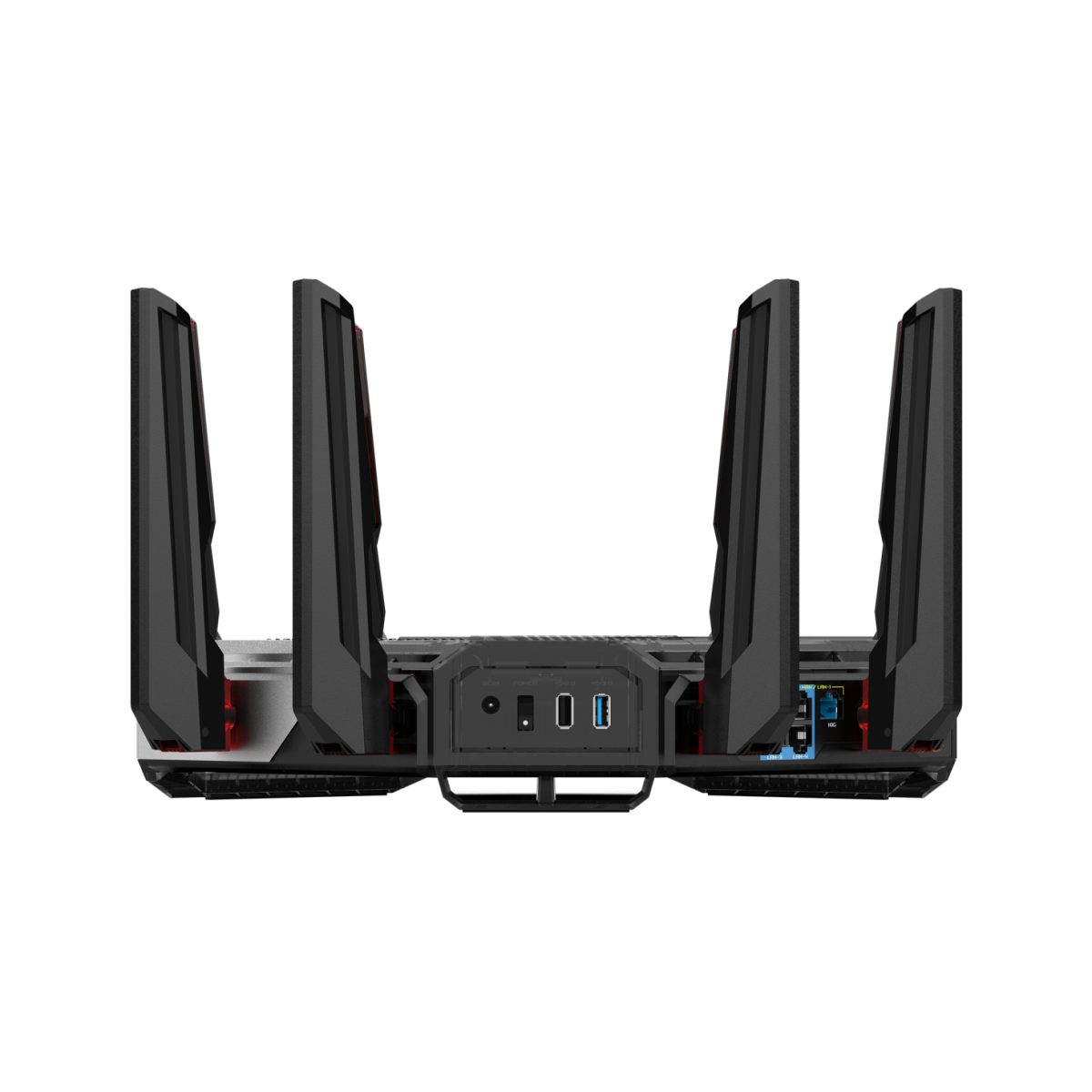
The long-anticipated transition to Wi-Fi 7 is officially underway, and ASUS is leading the charge with a monumental entry into the high-end gaming market. The company has unveiled the ROG Rapture GT-BE19000, a flagship tri-band router that not only delivers theoretical speeds exceeding 19 Gbps but also incorporates proprietary Artificial Intelligence (AI) to fundamentally redefine network optimization.
This new router leverages the capabilities of the 802.11be standard, utilizing massive 320 MHz channels and 4K Quadrature Amplitude Modulation (4K-QAM) to pack significantly more data into each transmission. This architecture provides the necessary bandwidth lift across its dedicated 6 GHz, 5 GHz, and 2.4 GHz bands, ensuring that latency-sensitive applications, especially competitive gaming, receive priority access and maximal throughput across the entire home network footprint.
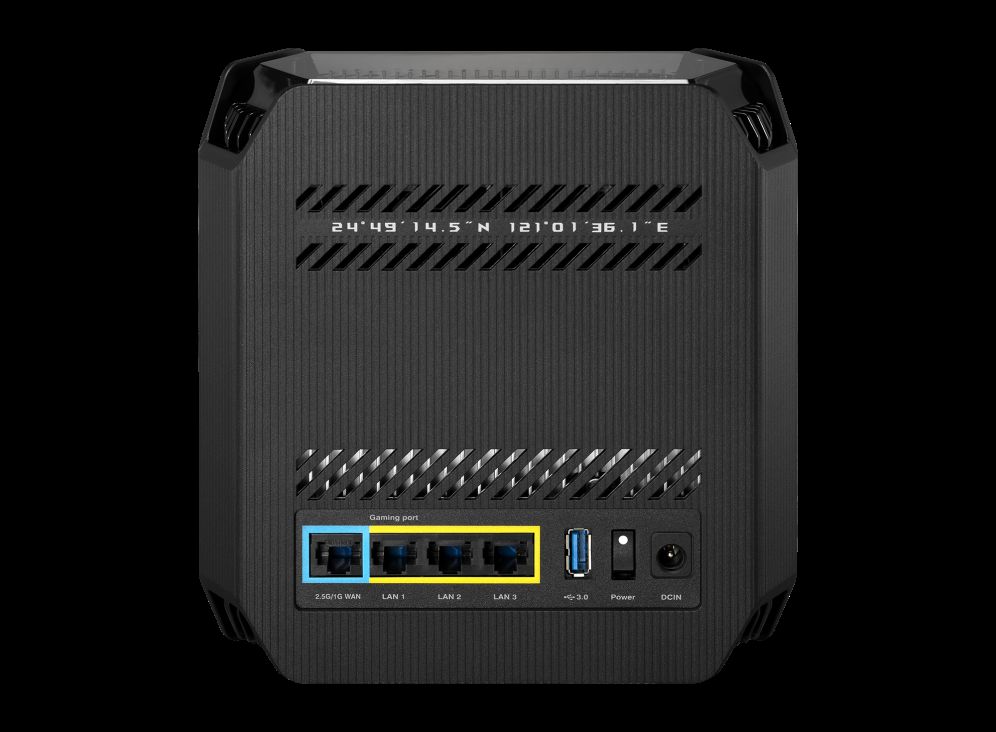
Crucially, the raw wireless speed is matched by robust physical connectivity—a necessity often overlooked in consumer-grade hardware. The Rapture is equipped with dual 10 Gigabit ports—one configurable as WAN or LAN, and one dedicated LAN port—alongside four supplementary 2.5 Gigabit LAN ports. This port configuration acknowledges the increasing demand for multi-gigabit wired backbones, essential for pairing high-speed network attached storage (NAS) or powerful desktop rigs with the router's immense wireless potential.


However, what truly sets the GT-BE19000 apart from typical high-performance hardware is the integration of ROG’s advanced networking intelligence. Features like AI Game Boost and AI-powered Quality of Service (QoS) move beyond simple static traffic prioritization. Instead, the embedded AI dynamically learns network usage patterns and optimizes the physical connection in real-time. This dynamic system involves allocating frequency bands and adjusting channel width based on application demand, ensuring near-zero packet loss during critical moments in gameplay.
The system also fully supports Multi-Link Operation (MLO), a cornerstone of the Wi-Fi 7 standard. MLO allows compatible devices to simultaneously transmit and receive data across different frequency bands, dramatically improving connection reliability and reducing jitter—a critical factor not just for gaming but also for high-resolution cloud streaming and remote work environments, placing this router firmly at the cutting edge of personal networking infrastructure.